1 of 2

Ethyl Maltol Aroma Chemical
CAS# 4940-11-8

Fruity, Sweet, Caramellic, Strawberry, Berry

Regular price $5
Regular price $0 Sale price $5
Sale Sold out
Size

Ethyl Maltol is a synthetic ingredient that plays an important role in the fragrance and food industries. Chemically, it is called 2-ethyl-3-hydroxy-4-pyranone, and it has also appeared under the well-known former trade name Veltol Plus from Pfizer before later being produced by other manufacturers. Unlike maltol, which can be found in nature (for example in pine bark or roasted malt), ethyl maltol is entirely man-made. It was developed from chemists’ efforts to create an “upgraded” version of maltol. By replacing a methyl group with an ethyl group in the molecular structure, they succeeded in producing a material 4–6 times stronger in odor impact than natural maltol, which significantly improves cost efficiency and effectiveness in use. The history of ethyl maltol dates to the late 1960s, when it was patented and introduced commercially. At first, it was mainly used in the food industry to boost sweet flavor in confectionery and beverages. A real turning point for perfumery came in 1992, when perfumer Olivier Cresp used a large dose of ethyl maltol combined with patchouli to create the landmark fragrance Angel by Thierry Mugler. That event effectively launched a new fragrance family known as Gourmand, characterized by sweet, edible, food-like scents. Physically, ethyl maltol is a white crystalline powder, so it must be dissolved before use, typically in solvents such as DPG or ethanol at 1% to 10%, sometimes with gentle heating to ensure complete dissolution.

Description

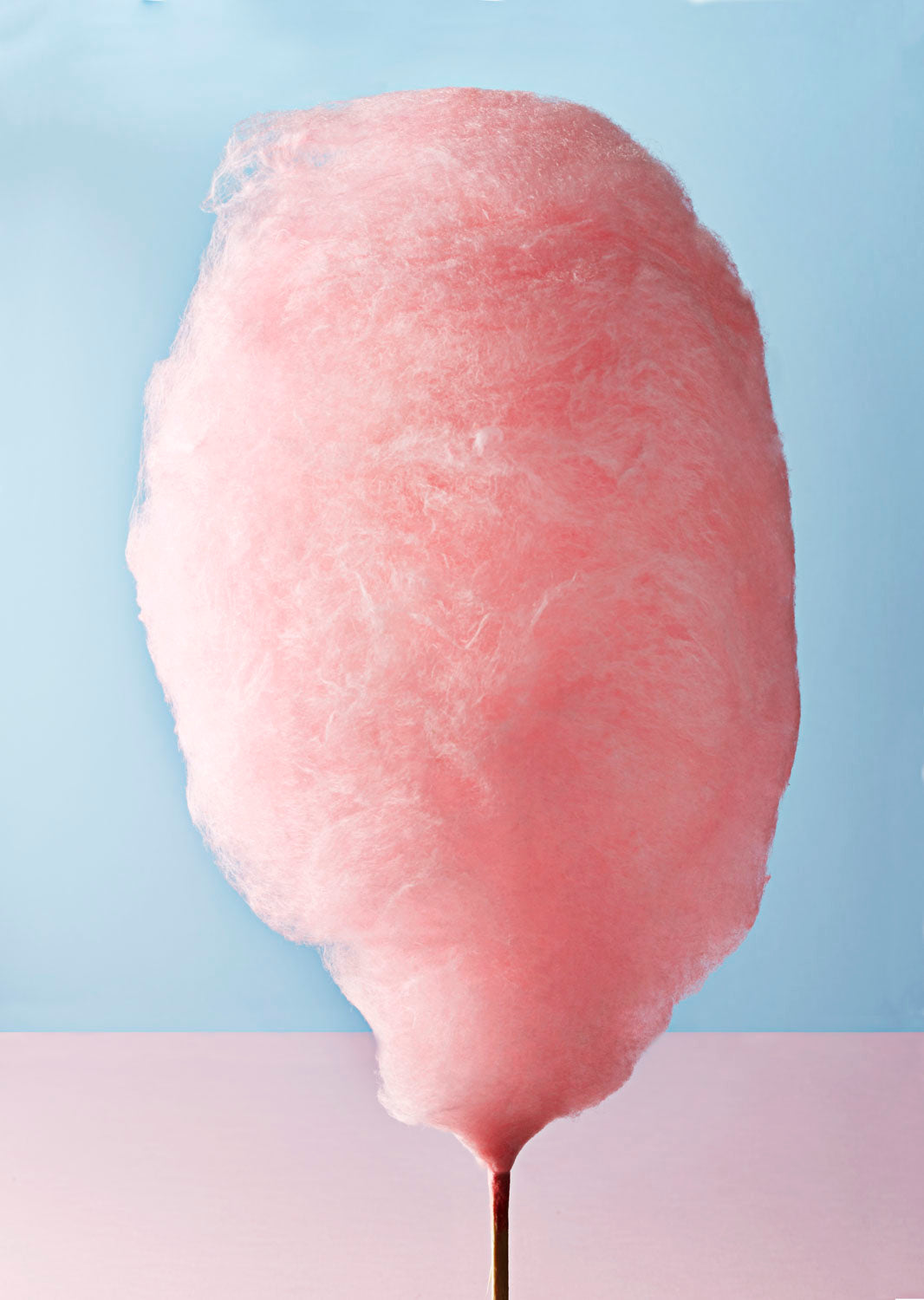
Belonging to the Gourmand (food-like) and Sweet odor families, ethyl maltol performs strongly in the base and functions as both an excellent flavor/odor modifier and sweetener. Its scent is strongly reminiscent of cotton candy, caramelized sugar, and strawberry jam-very sweet and warm. In nuance, it brings a distinctly “tasty,” slightly baked-goods impression. Because its odor strength is very high, even a small amount can sweeten an entire formula. Its substantivity is also very good, with the ability to remain on blotter and skin for a long period.

In formulation work, ethyl maltol is a core material of the Gourmand style, used to create accords such as cotton candy, caramel, chocolate, strawberry, and cookie/biscuit. It helps “ripen” and sweeten tart fruit notes such as pineapple, apple, and orange, making them feel juicier and more jam-like. In pairing, when blended with patchouli, it forms the classic Angel structure: the dry, earthy character of patchouli balances the sharp sweetness of ethyl maltol, creating an attractive contrast. If combined with Veramoss/Evernyl and Ambroxan, the trio can evoke the type of structure associated with Baccarat Rouge 540, producing a sweet, burnt-sugar effect that still feels airy and luxurious. When paired with vanilla, it adds extra creaminess and depth to the vanilla profile.

Applications

Ethyl maltol is broadly used across multiple fields. In fine fragrance, it is extremely common in modern feminine scents, winter perfumes, and sweet youth-oriented profiles. The food industry is a major application market as well, where it is used in confectionery, soft drinks, ice cream, and also vape/e-liquid products. In cosmetics, it appears in lip balms for sweetness and in shower gels. Scented candles also favor it because it easily creates cozy, festive baked-goods vibes.

From a safety standpoint, ethyl maltol is generally regarded as benign (GRAS) and is not currently subject to a specific IFRA concentration restriction for toxicity or allergen limits. Typical use levels in perfume range around 0.1% to 5%, but overdosing should be avoided because it can make the scent turn scorched/burnt or resemble cough-syrup.

A major practical issue to watch is discoloration. Ethyl maltol can react strongly with iron and other metals, forming deep red or rust-brown complexes. Therefore, do not allow solutions to contact iron tools or low-quality stainless steel. Store in glass or plastic containers, use glass or plastic sampling tools, and keep it in a dry place-because the powder is hygroscopic and can clump.

On the market, ethyl maltol appears in many famous products. Notable examples include Thierry Mugler Angel (a Gourmand icon with a record-high ethyl maltol impact at launch), Lancôme La Vie Est Belle (using it alongside iris and praline to create a strong diffusive sweetness), and Maison Francis Kurkdjian Baccarat Rouge 540 (often associated with a sugar-candy / strawberry-jam-like nuance over an amber-woody base). Finally, expert Steffen Arctander discussed this material as entry #1353 in volume one of Perfume and Flavor Chemicals. Under the name Ethyl Maltol, he described it as an intensely sweet odor with fruity and bread-like nuances, similar to maltol but 4–6 times stronger. He noted its use in perfumery as a sweetener and fixative for floral and fruity bases, emphasizing that it is more stable than maltol, less prone to polymerization, and powerful enough to be used at very low levels in finished products.

87 total reviews

Technical standards

Physical appearance Crystals or crystalline powder Conform
Color White Conform
Melting point 89.0°C → 92.0°C 91.1°C
Solubility Soluble in 1:10 of Ethyl Alcohol of 90% Conform
Residue on ignition ≤ 0.2% Conform
Water content ≤ 0.5% 0.06%
Pb ≤ 10 ppm Conform
As ≤ 1 ppm Conform
Purity ≥ 99.0% 99.76%

Solubility @25˚C

Solvent Solubility (g/L)
ethanol 162.62
methanol 324.93
isopropanol 97.7
water 10.37
ethyl acetate 216.28
n-propanol 112.19
acetone 454.08
n-butanol 89.58
acetonitrile 326.96
DMF 717.06
toluene 53.92
isobutanol 72.36
1,4-dioxane 588.45
methyl acetate 277.45
THF 452.93
2-butanone 243.37
n-pentanol 87.61
sec-butanol 78.72
n-hexane 9.04
ethylene glycol 153.37
NMP 440.23
cyclohexane 9.99
DMSO 1171.08
n-butyl acetate 168.32
n-octanol 70.12
chloroform 273.44
n-propyl acetate 180.45
acetic acid 293.06
dichloromethane 436.31
cyclohexanone 271.15
propylene glycol 64.07
isopropyl acetate 119.96
DMAc 397.49
2-ethoxyethanol 309.85
isopentanol 86.08
n-heptane 10.29
ethyl formate 216.26
1,2-dichloroethane 380.39
n-hexanol 89.99
2-methoxyethanol 456.33
isobutyl acetate 88.96
tetrachloromethane 54.96
n-pentyl acetate 115.1
transcutol 535.81
n-heptanol 60.61
ethylbenzene 46.79
MIBK 121.97
2-propoxyethanol 242.23
tert-butanol 158.99
MTBE 151.04
2-butoxyethanol 151.19
propionic acid 175.72
o-xylene 59.88
formic acid 250.06
diethyl ether 152.54
m-xylene 55.07
p-xylene 65.84
chlorobenzene 134.4
dimethyl carbonate 153.24
n-octane 7.04
formamide 452.06
cyclopentanone 378.48
2-pentanone 186.86
anisole 150.49
cyclopentyl methyl ether 143.42
gamma-butyrolactone 559.79
1-methoxy-2-propanol 246.42
pyridine 230.77
3-pentanone 157.08
furfural 510.6
n-dodecane 7.78
diethylene glycol 290.72
diisopropyl ether 48.81
tert-amyl alcohol 115.65
acetylacetone 296.71
n-hexadecane 8.96
acetophenone 152.22
methyl propionate 197.63
isopentyl acetate 133.6
trichloroethylene 546.15
n-nonanol 61.93
cyclohexanol 74.56
benzyl alcohol 113.39
2-ethylhexanol 62.04
isooctanol 54.27
dipropyl ether 77.18
1,2-dichlorobenzene 143.88
ethyl lactate 105.84
propylene carbonate 236.77
n-methylformamide 412.98
2-pentanol 60.91
n-pentane 8.36
1-propoxy-2-propanol 146.26
1-methoxy-2-propyl acetate 155.25
2-(2-methoxypropoxy) propanol 141.25
mesitylene 44.38
ε-caprolactone 242.59
p-cymene 40.33
epichlorohydrin 589.21
1,1,1-trichloroethane 209.4
2-aminoethanol 144.43
morpholine-4-carbaldehyde 542.75
sulfolane 819.09
2,2,4-trimethylpentane 10.26
2-methyltetrahydrofuran 245.1
n-hexyl acetate 148.45
isooctane 8.9
2-(2-butoxyethoxy)ethanol 201.81
sec-butyl acetate 98.64
tert-butyl acetate 144.51
decalin 12.51
glycerin 161.01
diglyme 436.02
acrylic acid 212.9
isopropyl myristate 61.11
n-butyric acid 167.47
acetyl acetate 147.13
di(2-ethylhexyl) phthalate 56.67
ethyl propionate 147.68
nitromethane 844.16
1,2-diethoxyethane 189.64
benzonitrile 169.62
trioctyl phosphate 49.47
1-bromopropane 117.93
gamma-valerolactone 550.27
n-decanol 49.55
triethyl phosphate 71.54
4-methyl-2-pentanol 52.5
propionitrile 175.6
vinylene carbonate 257.66
1,1,2-trichlorotrifluoroethane 347.59
DMS 162.36
cumene 40.35
2-octanol 51.08
2-hexanone 156.78
octyl acetate 79.87
limonene 51.72
1,2-dimethoxyethane 490.64
ethyl orthosilicate 65.57
tributyl phosphate 57.96
diacetone alcohol 168.26
N,N-dimethylaniline 97.48
acrylonitrile 298.6
aniline 93.12
1,3-propanediol 193.97
bromobenzene 131.35
dibromomethane 239.11
1,1,2,2-tetrachloroethane 365.02
2-methyl-cyclohexyl acetate 85.46
tetrabutyl urea 78.5
diisobutyl methanol 48.73
2-phenylethanol 107.65
styrene 63.91
dioctyl adipate 85.19
dimethyl sulfate 315.75
ethyl butyrate 118.3
methyl lactate 138.7
butyl lactate 86.78
diethyl carbonate 92.49
propanediol butyl ether 131.77
triethyl orthoformate 81.88
p-tert-butyltoluene 40.36
methyl 4-tert-butylbenzoate 127.76
morpholine 411.58
tert-butylamine 81.8
n-dodecanol 40.05
dimethoxymethane 406.93
ethylene carbonate 214.14
cyrene 152.54
2-ethoxyethyl acetate 176.66
2-ethylhexyl acetate 101.53
1,2,4-trichlorobenzene 161.46
4-methylpyridine 197.74
dibutyl ether 74.93
2,6-dimethyl-4-heptanol 48.73
DEF 242.37
dimethyl isosorbide 244.41
tetrachloroethylene 264.06
eugenol 138.18
triacetin 146.03
span 80 100.65
1,4-butanediol 107.6
1,1-dichloroethane 213.91
2-methyl-1-pentanol 79.62
methyl formate 428.22
2-methyl-1-butanol 71.88
n-decane 10.97
butyronitrile 145.23
3,7-dimethyl-1-octanol 61.77
1-chlorooctane 47.85
1-chlorotetradecane 22.89
n-nonane 10.06
undecane 9.02
tert-butylcyclohexane 13.3
cyclooctane 6.11
cyclopentanol 98.34
tetrahydropyran 209.18
tert-amyl methyl ether 113.22
2,5,8-trioxanonane 277.24
1-hexene 34.8
2-isopropoxyethanol 180.86
2,2,2-trifluoroethanol 156.09
methyl butyrate 209.2

Scent© AI

View full details
  • CAS NUMBER

    4940-11-8

  • FAMILIES

    Gourmand

  • BRAND

    Scent.vn

  • EVAPORATION RATE

    Ultra slow

  • Odor impact

    High est.

  • FLASH POINT

    103.83 ˚C est.

base
Fruity
Sweet
Caramellic
Strawberry
Berry
Recommendation
No restriction
Maximum acceptable concentrations in the finished product (%)
Category 1
Products applied to the lips
No restriction Category 7A
Rinse-off products applied to the hair with some hand contact
No restriction
Category 2
Products applied to the axillae
No restriction Category 7B
Leave-on products applied to the hair with some hand contact
No restriction
Category 3
Products applied to the face/body using fingertips
No restriction Category 8
Products with significant anogenital exposure
No restriction
Category 4
Products related to fine fragrance
No restriction Category 9
Products with body and hand exposure, primarily rinse off
No restriction
Category 5A
Body lotion products applied to the body using the hands (palms), primarily leave on
No restriction Category 10A
Household care products with mostly hand contact
No restriction
Category 5B
Face moisturizer products applied to the face using the hands (palms), primarily leave on
No restriction Category 10B
Household care products with mostly hand contact, including aerosol/spray products (with potential leave-on skin contact)
No restriction
Category 5C
Hand cream products applied to the hands using the hands (palms), primarily leave on
No restriction Category 11A
Products with intended skin contact but minimal transfer of fragrance to skin from inert substrate without UV exposure
No restriction
Category 5D
Baby Creams, baby Oils and baby talc
No restriction Category 11B
Products with intended skin contact but minimal transfer of fragrance to skin from inert substrate with potential UV exposure
No restriction
Category 6
Products with oral and lip exposure
No restriction Category 12
Products not intended for direct skin contact, minimal or insignificant transfer to skin
No restriction
  • All orders will be processed within 1-2 business days from the time the order is confirmed.
  • Free shipping is available for international retail orders valued at 500 USD or more.
  • Delivery time is 1-3 business days for local areas, 3-7 days for suburban and nationwide deliveries, and 1-4 weeks for international orders.
  • You have 30 days from the date of receipt to initiate the return process.
1 of 4
  • Certificate of Analysis (COA)

    Provides information on the physical and chemical properties of the product.
    Download  
  • IFRA Certificate of Conformity

    Sets safety standards and guidelines for the product in manufacturing.
    Download  
  • Safety Data Sheet (SDS)

    Provides important safety guidelines for transporting, storing, and using the product.
    Download  
1 of 3