1 of 1

Melonal Aroma Chemical
CAS# 106-72-9

Green, Floral, Fresh, Citrus, Aldehydic

Regular price $8
Regular price $0 Sale price $8
Sale Sold out
Size

Melonal, the best-known trade name owned by Givaudan-also known as Melon Aldehyde with the chemical name 2,6-Dimethyl-5-heptenal-is a fully synthetic fragrance ingredient that does not occur in nature. As a free-flowing liquid ranging in color from pale yellow to yellow, it diffuses a distinctly green and refreshing scent reminiscent of cantaloupe rind and cucumber.

Although discovered by chemists in the mid-20th century, Melonal did not truly become a star until the 1990s, when-together with Calone 1951-it helped define the “New Freshness” era. This marked a dramatic shift in perfumery from the heavy, sharp styles of the 1980s toward a cleaner, more transparent, oceanic direction.

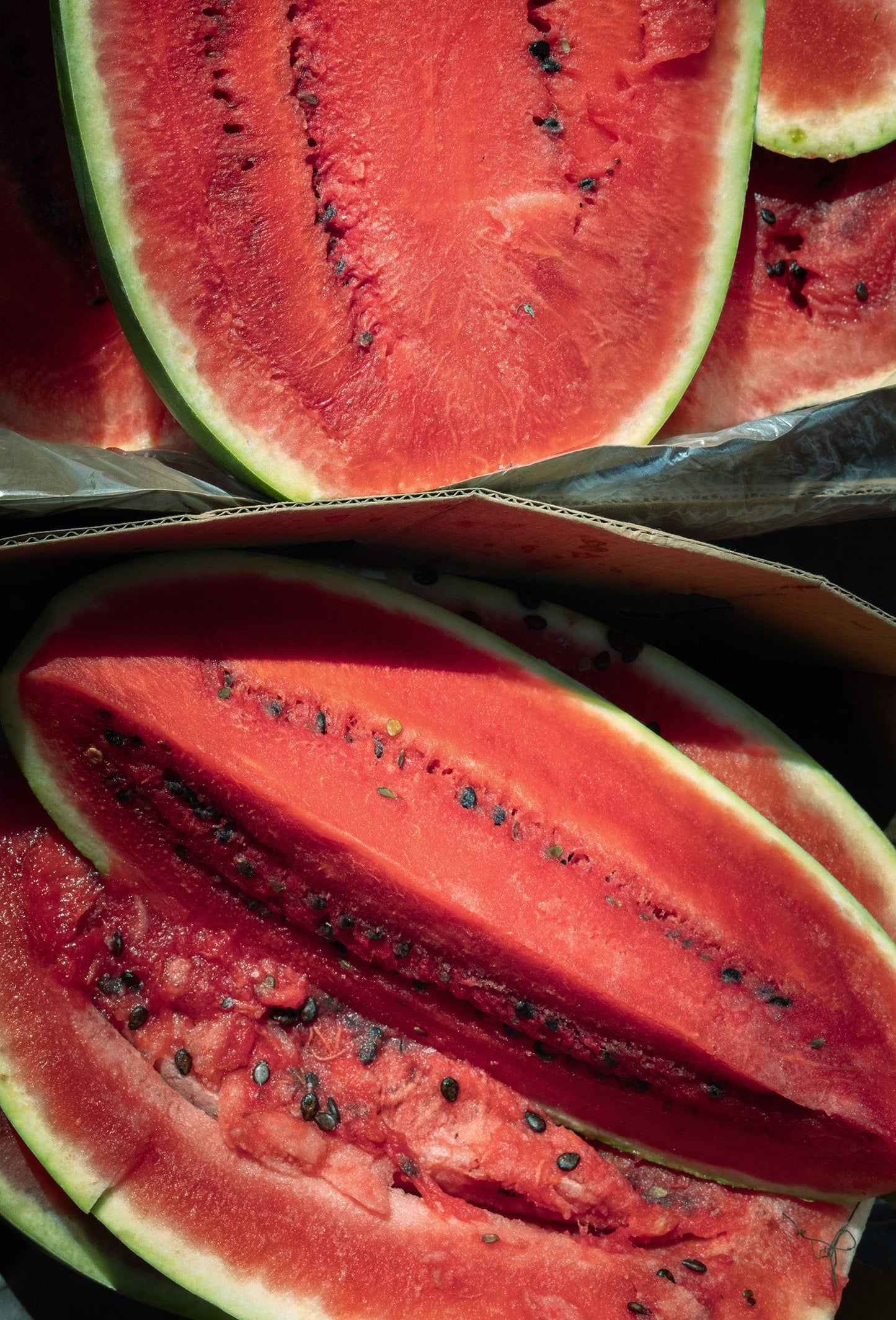
Melonal recreates natural melon facets that traditional extraction methods cannot obtain, and therefore became a core material for building juicy fruity notes or marine/aquatic effects in modern perfumery. In addition, thanks to its high stability, it is widely used in household and personal-care (home & fabric care) products.

Description

Belonging to the Green, Fruity, and Aldehydic families, Melonal offers an impressive olfactory experience dominated by an extremely powerful cantaloupe-rind and cucumber note. Completely unlike the typical sugary fruit profiles, it leans toward a fresh, crisp, slightly green “not-yet-ripe” character, creating a watery, dewy, slightly earthy/green, and cool “icy” effect.

Used as a top note or a modifier, Melonal is extremely potent-tiny amounts can create a major impact-yet its longevity is only moderate to weak because it is a short-chain aldehyde that evaporates within the first few hours. Perfumers often exploit this to construct melon effects in fruity accords, bring an airy ozonic breeze to sporty summer fragrances, or soften the richness of florals such as muguet (lily-of-the-valley) and violet.

In blending, the pairing of Melonal and Calone is considered a classic duo for a complete marine accord: Calone suggests salty sea wind, while Melonal contributes the watery, fresh fruit nuance. In addition, pairing it with violet leaf enhances the naturalness of cucumber notes, while combining it with Helional can suggest a watermelon effect and the humid air after rain. Because the raw material is very sharp and strong, in practice it is often diluted to 10% or 1% in solvents such as DPG or ethanol to make accurate dosing easier to control.

Applications

Melonal is remarkably versatile: it is not only the “soul” of aquatic, citrus-aromatic, and floral-fruity styles, but also brings a refreshing lift to bath and body products and to home ambiance through scented candles or diffusers. In particular, thanks to its good stability in alkaline conditions, it is an ideal choice for bar soaps and laundry products to create a crisp “clean clothes” impression. However, using Melonal requires very careful dosing in line with IFRA guidance: in fine fragrance it is typically kept around 0.1% up to a maximum of 1% to avoid drifting into an unpleasant “wilted vegetable” odor-whereas in cleaning products higher levels may be used to mask the harsh base-chemical smell.

As an aldehyde, Melonal may pose a risk of skin irritation and is also prone to oxidation into the corresponding acid, which can dull its original freshness. Therefore, it should be stored in a tightly sealed bottle at low temperature, and the use of antioxidants is essential. Melonal’s signature is clearly seen in 1990s masterpieces such as L’Eau d’Issey (lotus and melon notes that helped spark the aquatic trend), Calvin Klein Escape for Women (with a prominent green-apple facet), and as a key supporting material in Acqua di Giò. In a classic reference book, Steffen Arctander described Melonal as a powerful cucumber/cantaloupe-like material used for “fresh air” or citrusy top notes, with excellent blending ability with oakmoss, geranium, and lavender, and noted its particularly good stability in soap-while in food it is used only at trace levels.

48 total reviews

Technical standards

Physical appearance Liquid Conform
Color Pale yellow to yellow Conform
Specific Gravity @20˚C 0.849 → 0.856 0.8513
Refractive Index @20˚C 1.442 → 1.447 1.4446
Acid value (mgKOH/g) ≤ 1.0 0.5474
Purity ≥ 85.0% 92.72%

Solubility @25˚C

Solvent Solubility (g/L)
ethanol 1262.47
methanol 1201.53
isopropanol 950.92
water 0.89
ethyl acetate 798.69
n-propanol 978.06
acetone 867.18
n-butanol 1102.45
acetonitrile 833.95
DMF 595.55
toluene 448.88
isobutanol 699.74
1,4-dioxane 1102.04
methyl acetate 643.53
THF 1382.9
2-butanone 864.97
n-pentanol 743.12
sec-butanol 905.34
n-hexane 361.48
ethylene glycol 123.12
NMP 636.23
cyclohexane 305.01
DMSO 607.74
n-butyl acetate 1002.13
n-octanol 323.49
chloroform 2245.06
n-propyl acetate 610.92
acetic acid 743.43
dichloromethane 1636.52
cyclohexanone 1065.39
propylene glycol 248.44
isopropyl acetate 457.37
DMAc 486.14
2-ethoxyethanol 615.49
isopentanol 931.64
n-heptane 176.36
ethyl formate 514.58
1,2-dichloroethane 827.92
n-hexanol 990.11
2-methoxyethanol 895.44
isobutyl acetate 364.52
tetrachloromethane 510.46
n-pentyl acetate 433.63
transcutol 2216.42
n-heptanol 348.67
ethylbenzene 290.95
MIBK 415.73
2-propoxyethanol 903.91
tert-butanol 1105.98
MTBE 881.93
2-butoxyethanol 515.83
propionic acid 593.26
o-xylene 272.41
formic acid 223.96
diethyl ether 876.87
m-xylene 304.72
p-xylene 370.85
chlorobenzene 575.41
dimethyl carbonate 120.61
n-octane 48.97
formamide 274.61
cyclopentanone 915.34
2-pentanone 745.66
anisole 465.65
cyclopentyl methyl ether 740.34
gamma-butyrolactone 857.86
1-methoxy-2-propanol 675.66
pyridine 1042.33
3-pentanone 455.45
furfural 961.59
n-dodecane 24.21
diethylene glycol 433.0
diisopropyl ether 255.27
tert-amyl alcohol 983.03
acetylacetone 485.76
n-hexadecane 28.35
acetophenone 403.7
methyl propionate 420.39
isopentyl acetate 814.9
trichloroethylene 1763.06
n-nonanol 267.54
cyclohexanol 807.88
benzyl alcohol 413.94
2-ethylhexanol 645.5
isooctanol 295.21
dipropyl ether 638.03
1,2-dichlorobenzene 488.35
ethyl lactate 221.57
propylene carbonate 603.55
n-methylformamide 430.47
2-pentanol 745.58
n-pentane 246.07
1-propoxy-2-propanol 824.53
1-methoxy-2-propyl acetate 568.82
2-(2-methoxypropoxy) propanol 465.4
mesitylene 197.37
ε-caprolactone 907.42
p-cymene 226.44
epichlorohydrin 1065.71
1,1,1-trichloroethane 1105.79
2-aminoethanol 352.92
morpholine-4-carbaldehyde 738.37
sulfolane 806.83
2,2,4-trimethylpentane 101.38
2-methyltetrahydrofuran 1363.01
n-hexyl acetate 594.0
isooctane 79.75
2-(2-butoxyethoxy)ethanol 653.16
sec-butyl acetate 418.39
tert-butyl acetate 488.49
decalin 126.72
glycerin 260.95
diglyme 1058.34
acrylic acid 431.04
isopropyl myristate 193.2
n-butyric acid 1007.42
acetyl acetate 364.41
di(2-ethylhexyl) phthalate 204.89
ethyl propionate 430.74
nitromethane 806.45
1,2-diethoxyethane 788.41
benzonitrile 619.97
trioctyl phosphate 136.14
1-bromopropane 777.3
gamma-valerolactone 1098.46
n-decanol 187.34
triethyl phosphate 202.06
4-methyl-2-pentanol 407.75
propionitrile 739.04
vinylene carbonate 522.18
1,1,2-trichlorotrifluoroethane 807.58
DMS 293.85
cumene 206.3
2-octanol 250.29
2-hexanone 704.89
octyl acetate 243.07
limonene 368.21
1,2-dimethoxyethane 923.98
ethyl orthosilicate 227.83
tributyl phosphate 191.7
diacetone alcohol 538.0
N,N-dimethylaniline 300.13
acrylonitrile 693.08
aniline 601.73
1,3-propanediol 538.26
bromobenzene 568.29
dibromomethane 1254.67
1,1,2,2-tetrachloroethane 1371.14
2-methyl-cyclohexyl acetate 428.18
tetrabutyl urea 215.4
diisobutyl methanol 342.24
2-phenylethanol 456.32
styrene 373.5
dioctyl adipate 284.13
dimethyl sulfate 169.43
ethyl butyrate 617.66
methyl lactate 193.63
butyl lactate 335.25
diethyl carbonate 343.59
propanediol butyl ether 477.79
triethyl orthoformate 394.39
p-tert-butyltoluene 212.37
methyl 4-tert-butylbenzoate 328.7
morpholine 1472.14
tert-butylamine 844.26
n-dodecanol 137.45
dimethoxymethane 367.66
ethylene carbonate 438.42
cyrene 333.08
2-ethoxyethyl acetate 480.09
2-ethylhexyl acetate 635.06
1,2,4-trichlorobenzene 568.4
4-methylpyridine 1033.71
dibutyl ether 486.49
2,6-dimethyl-4-heptanol 342.24
DEF 620.59
dimethyl isosorbide 634.31
tetrachloroethylene 964.82
eugenol 344.48
triacetin 435.0
span 80 458.24
1,4-butanediol 223.05
1,1-dichloroethane 1120.84
2-methyl-1-pentanol 678.97
methyl formate 274.94
2-methyl-1-butanol 839.3
n-decane 53.08
butyronitrile 1053.87
3,7-dimethyl-1-octanol 397.02
1-chlorooctane 224.83
1-chlorotetradecane 70.47
n-nonane 59.98
undecane 33.46
tert-butylcyclohexane 134.1
cyclooctane 98.86
cyclopentanol 670.79
tetrahydropyran 1464.88
tert-amyl methyl ether 611.24
2,5,8-trioxanonane 655.41
1-hexene 902.23
2-isopropoxyethanol 462.03
2,2,2-trifluoroethanol 174.13
methyl butyrate 654.92

Scent© AI

View full details
  • CAS NUMBER

    106-72-9

  • FAMILIES

    Fruity

  • BRAND

    Givaudan

  • EVAPORATION RATE

    Fast

  • Odor impact

    High est.

  • FLASH POINT

    342.4 ˚C est.

top
Green
Floral
Fresh
Citrus
Aldehydic
Recommendation
No restriction
Maximum acceptable concentrations in the finished product (%)
Category 1
Products applied to the lips
No restriction Category 7A
Rinse-off products applied to the hair with some hand contact
No restriction
Category 2
Products applied to the axillae
No restriction Category 7B
Leave-on products applied to the hair with some hand contact
No restriction
Category 3
Products applied to the face/body using fingertips
No restriction Category 8
Products with significant anogenital exposure
No restriction
Category 4
Products related to fine fragrance
No restriction Category 9
Products with body and hand exposure, primarily rinse off
No restriction
Category 5A
Body lotion products applied to the body using the hands (palms), primarily leave on
No restriction Category 10A
Household care products with mostly hand contact
No restriction
Category 5B
Face moisturizer products applied to the face using the hands (palms), primarily leave on
No restriction Category 10B
Household care products with mostly hand contact, including aerosol/spray products (with potential leave-on skin contact)
No restriction
Category 5C
Hand cream products applied to the hands using the hands (palms), primarily leave on
No restriction Category 11A
Products with intended skin contact but minimal transfer of fragrance to skin from inert substrate without UV exposure
No restriction
Category 5D
Baby Creams, baby Oils and baby talc
No restriction Category 11B
Products with intended skin contact but minimal transfer of fragrance to skin from inert substrate with potential UV exposure
No restriction
Category 6
Products with oral and lip exposure
No restriction Category 12
Products not intended for direct skin contact, minimal or insignificant transfer to skin
No restriction
  • All orders will be processed within 1-2 business days from the time the order is confirmed.
  • Free shipping is available for orders valued at $200 or more.
  • Delivery time is 1-3 business days for local areas, 3-7 days for suburban and nationwide deliveries, and 1-4 weeks for international orders.
  • You have 30 days from the date of receipt to initiate the return process.
1 of 4
  • Certificate of Analysis (COA)

    Provides information on the physical and chemical properties of the product.
    Download  
  • IFRA Certificate of Conformity

    Sets safety standards and guidelines for the product in manufacturing.
    Download  
  • Safety Data Sheet (SDS)

    Provides important safety guidelines for transporting, storing, and using the product.
    Download  
1 of 3