Beta Ionone Aroma Chemical
CAS# 14901-07-6
Floral, Woody, Fruity, Sweet, Violet
Couldn't load pickup availability
Beta-Ionone, often referred to as beta ionone (Ionone Beta) and bearing the full IUPAC name (E)-4-(2,6,6-trimethyl-1-cyclohexenyl)but-3-en-2-one, is a fragrance material with a fascinating and truly revolutionary origin story. The story begins in 1893, when two German chemists, Ferdinand Tiemann and Paul Krüger, were investigating the constituents of orris root (Orris) in an effort to recreate the extremely expensive and difficult-to-extract natural scent of violet. Although their original goal was to synthesize irone, the unexpected outcome was the discovery of ionone-a serendipitous finding that reshaped the perfume industry, making violet accords economically viable and widely accessible to the public.
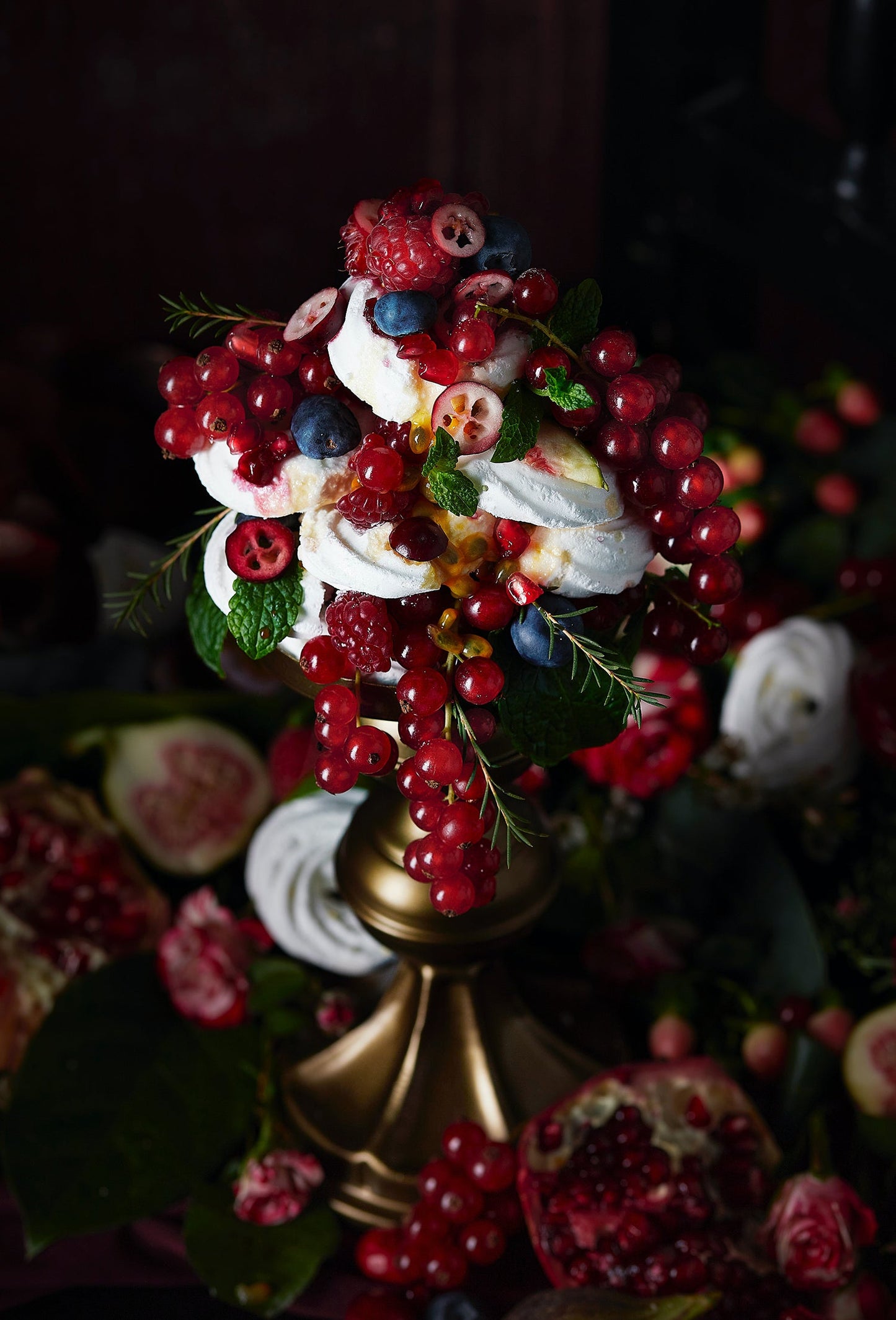
In nature, beta-ionone is an important component found in boronia extracts, osmanthus flowers, and fruits such as raspberry and passion fruit. However, to meet commercial demand, most beta-ionone today is produced via chemical synthesis, typically starting with a reaction between citral and acetone to form pseudoionone, followed by acid-catalyzed cyclization (often using sulfuric acid). As a clear to pale yellow liquid, beta-ionone radiates a distinctive odor profile combining dry woody facets, a violet-like floral nuance, and a recognizably raspberry-like fruity tone. Thanks to this unique profile, beta-ionone has become indispensable in both fine fragrance and flavor applications for realistically building floral, woody, and berry notes.
Description
Sitting at the refined intersection of woody, floral, and fruity families, beta-ionone plays a key role from the heart through to the base, with a medium-to-strong impact. In contrast to the airy sweetness of its sibling alpha-ionone, the beta is notably darker, drier, and warmer, strongly evocative of cedarwood with a hint of powdery floral character and a clearly defined ripe raspberry nuance. With excellent tenacity on skin and blotter, it is a core building block for recreating violet effects, constructing raspberry notes in both flavors and fragrances, and creating the classic powdery-woody / waxy lipstick character found in many vintage compositions.
In perfumery practice, pairing beta- and alpha-ionone is considered a classic method for achieving a complete violet flower impression: alpha brings brightness and sweetness, while beta contributes depth and woody body. In addition, used with rose, it can produce an elegant powdery rose accord, or combined with cedarwood to maximize dryness and warmth. Because its neat odor can be quite intense, perfumers commonly dilute beta-ionone in ethanol or DPG to better control dosage with precision.
Applications
Beta-ionone is widely valued as a versatile material, appearing across perfume styles-from rich floral, woody, and chypre families to everyday cosmetic products such as face powders, creams, and especially the signature waxy-lipstick scent profile in lip products. Beyond perfumery, its good stability in alkaline conditions makes it suitable for bar soaps, and it is also used in the food industry to create appealing berry-like flavor nuances for confectionery and beverages. That said, working with beta-ionone benefits from awareness of olfactory fatigue: continuous smelling can temporarily dull perception, but sensitivity typically returns after a short rest.
To ensure quality and safety, formulators should follow IFRA guidance regarding purity (with low pseudoionone content), apply usage levels flexibly (commonly 1% to 10% depending on purpose), and store it in tightly closed containers away from light to minimize oxidation. The artistic value of beta-ionone is illustrated by celebrated creations such as Guerlain’s L’Heure Bleue (melancholic and romantic), Guerlain’s Insolence (bold and expressive), and Yves Saint Laurent’s Paris. In his classic reference work, Steffen Arctander described it as a warm, dry-woody material with a fruity note reminiscent of raspberry-less floral than alpha-ionone, yet offering an intriguing evolution from cedarwood to raspberry via orris-like nuances, and an excellent choice for lipstick flavors and fragrances.
4.96 / 5
(48) 48 total reviews
Share
Technical standards
Technical standards
| Physical appearance | Viscous liquid | Conform |
| Color | Pale yellow to yellow | Conform |
| Specific Gravity @20˚C | 0.941 → 0.945 | 0.9426 |
| Refractive Index @20˚C | 1.518 → 1.522 | 1.521 |
| Purity | ≥ 96.0% | 97.7% |
Solubility @25˚C
Solubility @25˚C
| Solvent | Solubility (g/L) |
|---|---|
| ethanol | 505.88 |
| methanol | 604.12 |
| isopropanol | 316.31 |
| water | 0.47 |
| ethyl acetate | 575.17 |
| n-propanol | 401.27 |
| acetone | 561.41 |
| n-butanol | 370.07 |
| acetonitrile | 464.27 |
| DMF | 719.3 |
| toluene | 478.92 |
| isobutanol | 248.39 |
| 1,4-dioxane | 1325.13 |
| methyl acetate | 478.73 |
| THF | 1620.27 |
| 2-butanone | 492.44 |
| n-pentanol | 186.39 |
| sec-butanol | 245.08 |
| n-hexane | 60.81 |
| ethylene glycol | 48.36 |
| NMP | 694.39 |
| cyclohexane | 143.39 |
| DMSO | 313.23 |
| n-butyl acetate | 495.84 |
| n-octanol | 154.55 |
| chloroform | 1286.94 |
| n-propyl acetate | 260.94 |
| acetic acid | 232.22 |
| dichloromethane | 1148.44 |
| cyclohexanone | 745.11 |
| propylene glycol | 89.13 |
| isopropyl acetate | 325.33 |
| DMAc | 472.99 |
| 2-ethoxyethanol | 221.56 |
| isopentanol | 276.98 |
| n-heptane | 57.52 |
| ethyl formate | 306.18 |
| 1,2-dichloroethane | 610.81 |
| n-hexanol | 438.3 |
| 2-methoxyethanol | 498.89 |
| isobutyl acetate | 188.46 |
| tetrachloromethane | 182.97 |
| n-pentyl acetate | 233.06 |
| transcutol | 1477.37 |
| n-heptanol | 149.15 |
| ethylbenzene | 188.04 |
| MIBK | 241.42 |
| 2-propoxyethanol | 587.14 |
| tert-butanol | 354.5 |
| MTBE | 410.8 |
| 2-butoxyethanol | 254.74 |
| propionic acid | 215.83 |
| o-xylene | 215.31 |
| formic acid | 85.1 |
| diethyl ether | 620.78 |
| m-xylene | 287.73 |
| p-xylene | 215.46 |
| chlorobenzene | 477.01 |
| dimethyl carbonate | 167.64 |
| n-octane | 18.83 |
| formamide | 153.04 |
| cyclopentanone | 882.58 |
| 2-pentanone | 445.4 |
| anisole | 373.82 |
| cyclopentyl methyl ether | 670.34 |
| gamma-butyrolactone | 859.71 |
| 1-methoxy-2-propanol | 378.32 |
| pyridine | 698.24 |
| 3-pentanone | 331.93 |
| furfural | 622.39 |
| n-dodecane | 14.94 |
| diethylene glycol | 285.64 |
| diisopropyl ether | 152.28 |
| tert-amyl alcohol | 245.36 |
| acetylacetone | 424.34 |
| n-hexadecane | 17.77 |
| acetophenone | 269.8 |
| methyl propionate | 413.43 |
| isopentyl acetate | 401.64 |
| trichloroethylene | 1086.94 |
| n-nonanol | 137.14 |
| cyclohexanol | 349.57 |
| benzyl alcohol | 225.12 |
| 2-ethylhexanol | 226.93 |
| isooctanol | 114.64 |
| dipropyl ether | 336.78 |
| 1,2-dichlorobenzene | 391.67 |
| ethyl lactate | 104.37 |
| propylene carbonate | 468.94 |
| n-methylformamide | 309.5 |
| 2-pentanol | 203.9 |
| n-pentane | 63.98 |
| 1-propoxy-2-propanol | 384.12 |
| 1-methoxy-2-propyl acetate | 483.8 |
| 2-(2-methoxypropoxy) propanol | 279.75 |
| mesitylene | 168.01 |
| ε-caprolactone | 632.99 |
| p-cymene | 137.86 |
| epichlorohydrin | 957.45 |
| 1,1,1-trichloroethane | 593.77 |
| 2-aminoethanol | 140.92 |
| morpholine-4-carbaldehyde | 779.28 |
| sulfolane | 618.45 |
| 2,2,4-trimethylpentane | 30.26 |
| 2-methyltetrahydrofuran | 1098.18 |
| n-hexyl acetate | 368.17 |
| isooctane | 27.6 |
| 2-(2-butoxyethoxy)ethanol | 400.05 |
| sec-butyl acetate | 193.25 |
| tert-butyl acetate | 330.6 |
| decalin | 57.51 |
| glycerin | 109.18 |
| diglyme | 693.89 |
| acrylic acid | 160.91 |
| isopropyl myristate | 137.54 |
| n-butyric acid | 356.73 |
| acetyl acetate | 302.47 |
| di(2-ethylhexyl) phthalate | 140.46 |
| ethyl propionate | 241.75 |
| nitromethane | 449.08 |
| 1,2-diethoxyethane | 542.88 |
| benzonitrile | 364.65 |
| trioctyl phosphate | 97.17 |
| 1-bromopropane | 444.83 |
| gamma-valerolactone | 997.78 |
| n-decanol | 98.81 |
| triethyl phosphate | 137.31 |
| 4-methyl-2-pentanol | 126.63 |
| propionitrile | 434.89 |
| vinylene carbonate | 450.95 |
| 1,1,2-trichlorotrifluoroethane | 393.1 |
| DMS | 290.48 |
| cumene | 118.12 |
| 2-octanol | 96.63 |
| 2-hexanone | 264.89 |
| octyl acetate | 179.33 |
| limonene | 201.79 |
| 1,2-dimethoxyethane | 544.23 |
| ethyl orthosilicate | 139.36 |
| tributyl phosphate | 130.03 |
| diacetone alcohol | 285.0 |
| N,N-dimethylaniline | 221.61 |
| acrylonitrile | 393.11 |
| aniline | 400.92 |
| 1,3-propanediol | 218.84 |
| bromobenzene | 534.45 |
| dibromomethane | 731.09 |
| 1,1,2,2-tetrachloroethane | 763.54 |
| 2-methyl-cyclohexyl acetate | 263.44 |
| tetrabutyl urea | 152.23 |
| diisobutyl methanol | 119.23 |
| 2-phenylethanol | 322.69 |
| styrene | 232.96 |
| dioctyl adipate | 195.43 |
| dimethyl sulfate | 185.46 |
| ethyl butyrate | 304.13 |
| methyl lactate | 138.9 |
| butyl lactate | 169.71 |
| diethyl carbonate | 203.13 |
| propanediol butyl ether | 225.67 |
| triethyl orthoformate | 213.19 |
| p-tert-butyltoluene | 138.2 |
| methyl 4-tert-butylbenzoate | 239.62 |
| morpholine | 1372.42 |
| tert-butylamine | 272.94 |
| n-dodecanol | 72.76 |
| dimethoxymethane | 594.16 |
| ethylene carbonate | 374.97 |
| cyrene | 232.66 |
| 2-ethoxyethyl acetate | 341.82 |
| 2-ethylhexyl acetate | 343.19 |
| 1,2,4-trichlorobenzene | 438.71 |
| 4-methylpyridine | 796.06 |
| dibutyl ether | 235.22 |
| 2,6-dimethyl-4-heptanol | 119.23 |
| DEF | 453.68 |
| dimethyl isosorbide | 589.34 |
| tetrachloroethylene | 481.88 |
| eugenol | 223.99 |
| triacetin | 297.42 |
| span 80 | 254.09 |
| 1,4-butanediol | 59.86 |
| 1,1-dichloroethane | 630.6 |
| 2-methyl-1-pentanol | 174.94 |
| methyl formate | 248.88 |
| 2-methyl-1-butanol | 251.0 |
| n-decane | 27.37 |
| butyronitrile | 463.34 |
| 3,7-dimethyl-1-octanol | 161.26 |
| 1-chlorooctane | 125.15 |
| 1-chlorotetradecane | 47.34 |
| n-nonane | 26.66 |
| undecane | 19.75 |
| tert-butylcyclohexane | 51.64 |
| cyclooctane | 46.43 |
| cyclopentanol | 324.81 |
| tetrahydropyran | 1223.5 |
| tert-amyl methyl ether | 273.45 |
| 2,5,8-trioxanonane | 469.24 |
| 1-hexene | 195.11 |
| 2-isopropoxyethanol | 173.37 |
| 2,2,2-trifluoroethanol | 73.42 |
| methyl butyrate | 291.65 |
Scent© AI

Olfactory Pyramid
Notes
| Floral |
| Woody |
| Fruity |
| Sweet |
| Violet |
| Maximum acceptable concentrations in the finished product (%) | |||
|---|---|---|---|
|
Category 1
Products applied to the lips
|
No restriction |
Category 7A
Rinse-off products applied to the hair with some hand contact
|
No restriction |
|
Category 2
Products applied to the axillae
|
No restriction |
Category 7B
Leave-on products applied to the hair with some hand contact
|
No restriction |
|
Category 3
Products applied to the face/body using fingertips
|
No restriction |
Category 8
Products with significant anogenital exposure
|
No restriction |
|
Category 4
Products related to fine fragrance
|
No restriction |
Category 9
Products with body and hand exposure, primarily rinse off
|
No restriction |
|
Category 5A
Body lotion products applied to the body using the hands (palms), primarily leave on
|
No restriction |
Category 10A
Household care products with mostly hand contact
|
No restriction |
|
Category 5B
Face moisturizer products applied to the face using the hands (palms), primarily leave on
|
No restriction |
Category 10B
Household care products with mostly hand contact, including aerosol/spray products (with potential leave-on skin contact)
|
No restriction |
|
Category 5C
Hand cream products applied to the hands using the hands (palms), primarily leave on
|
No restriction |
Category 11A
Products with intended skin contact but minimal transfer of fragrance to skin from inert substrate without UV exposure
|
No restriction |
|
Category 5D
Baby Creams, baby Oils and baby talc
|
No restriction |
Category 11B
Products with intended skin contact but minimal transfer of fragrance to skin from inert substrate with potential UV exposure
|
No restriction |
|
Category 6
Products with oral and lip exposure
|
No restriction |
Category 12
Products not intended for direct skin contact, minimal or insignificant transfer to skin
|
No restriction |
Shipping & Returns
-
All orders will be processed within 1-2 business days from the time the order is confirmed. -
Free shipping is available for orders valued at $200 or more. -
Delivery time is 1-3 business days for local areas, 3-7 days for suburban and nationwide deliveries, and 1-4 weeks for international orders. -
You have 30 days from the date of receipt to initiate the return process.
Certificates of Quality
-
Certificate of Analysis (COA)
Provides information on the physical and chemical properties of the product.Download -
IFRA Certificate of Conformity
Sets safety standards and guidelines for the product in manufacturing.Download -
Safety Data Sheet (SDS)
Provides important safety guidelines for transporting, storing, and using the product.Download